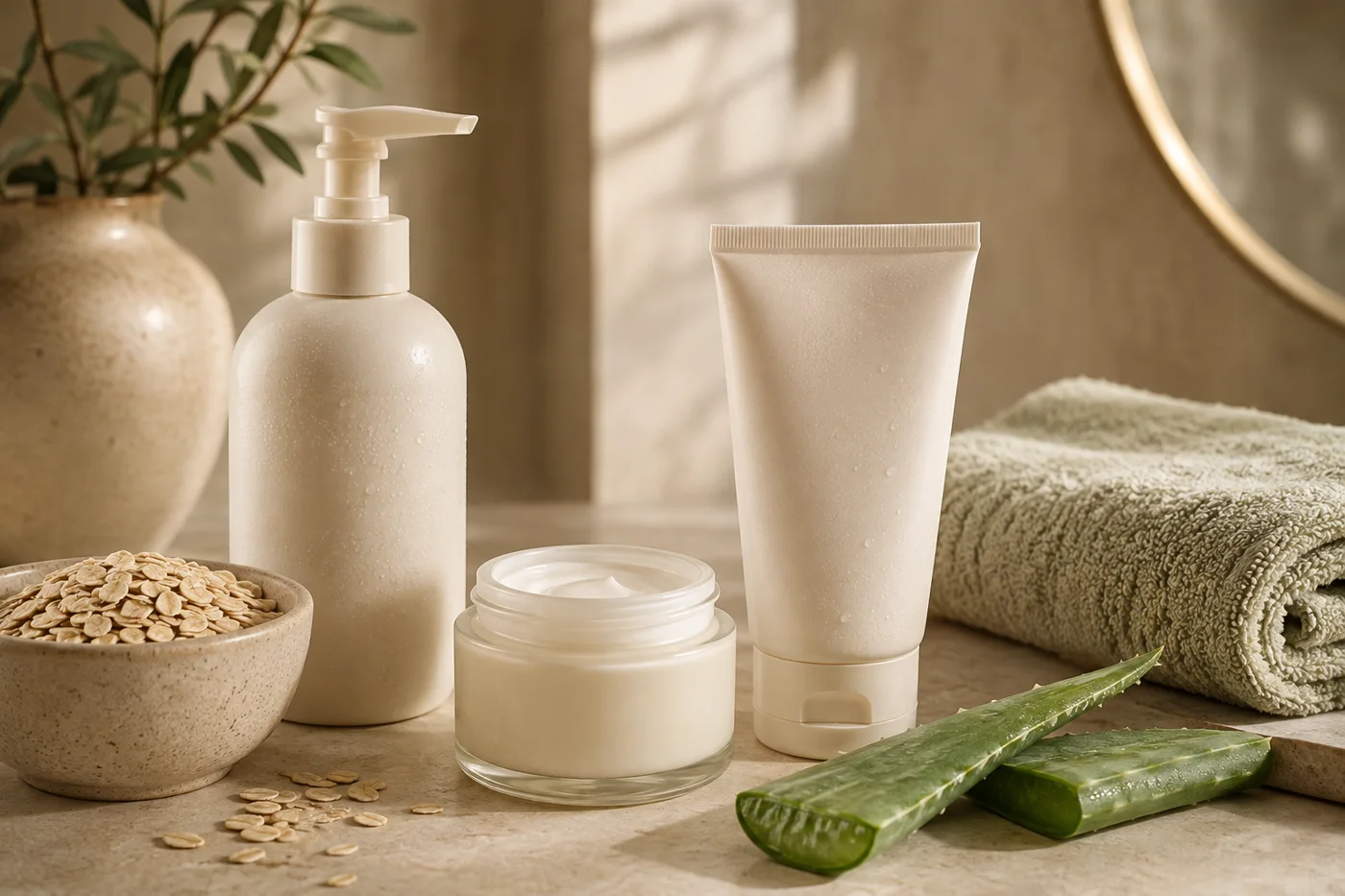
Moisturizer is supposed to feel boring in the best way: soft, comfortable, easy. When it suddenly stings after 40, it can feel confusing. The jar may be familiar, the label may say gentle, and yet the skin says no.
The useful answer is not panic and not a shopping spree. Stinging is often a sign that the whole routine needs a quieter phase. Cleansing, exfoliation, weather, sunscreen removal, retinoids, acids, fragrance and too many new steps can all make even a simple cream feel uncomfortable. This guide helps you decide what to change first.
First, treat stinging as a signal
A brief tingle from a strong active is different from a moisturizer that burns on contact. If a basic cream stings, pause and look at the routine around it. Mature skin can feel drier and less forgiving after travel, sun, over-cleansing, illness, stress, or a week of too many active products.
If the sensation is intense, swelling appears, or discomfort persists, stop the product and seek professional advice. Glow Rituals keeps this cosmetic and practical, not diagnostic.
Change the cleanser before changing everything
The cleanser is often the hidden reason moisturizer stings. Foaming washes, hot water, long cleansing and double-cleansing every night can leave skin tight before cream touches it. For one week, use lukewarm water, a cream or milk cleanser, and short contact time. If skin is not wearing heavy makeup or water-resistant SPF, avoid over-cleansing.
After rinsing, pat skin so it remains slightly damp, then apply moisturizer within a minute. This simple timing can make a plain cream feel more comfortable.
Pause the strongest active steps
Retinoids, strong vitamin C, exfoliating acids, scrubs, peels and fragranced treatments can be wonderful for some routines, but they are not the priority when skin is already complaining. Pause them for several nights. Keep only gentle cleanse, moisturizer and morning SPF until comfort returns.
This is not quitting actives forever. It is giving the skin a clean baseline so you can reintroduce one step at a time later.
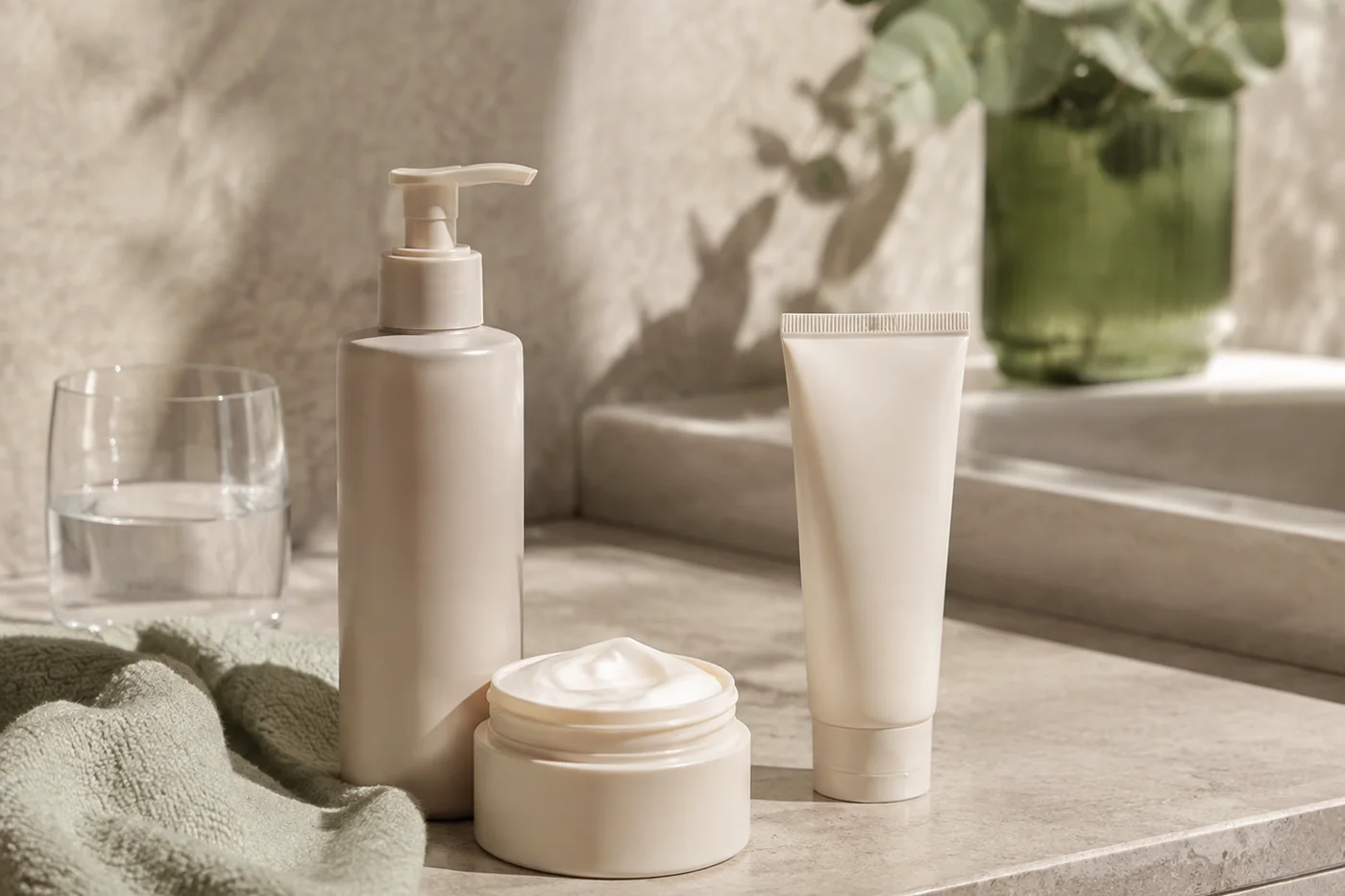
Choose a simpler moisturizer texture
Look for plain, fragrance-free textures that focus on glycerin, ceramides, squalane, shea butter, panthenol, oats or aloe. A gel cream may suit skin that dislikes heaviness; a cream may suit skin that feels dry and papery. The best choice is the one that does not sting and does not make you want to wash it off.
Avoid switching to a product with many essential oils, acids, perfume or “brightening” claims during a reset. This is the week for calm ingredients, not excitement.
Try the one-side test
If you are unsure whether the moisturizer or the routine is the problem, test carefully. Use the simple routine on one cheek or along the jaw for two nights while avoiding actives there. If it still stings, the product may not suit you right now. If it feels better, the routine around it may have been the issue.
Do not test on broken, peeling or irritated skin. Patch testing is useful, but it should be gentle and small.
A seven-day comfort reset
- Days 1–2: stop scrubs, acids, retinoids and fragranced extras.
- Days 1–7: cleanse briefly with lukewarm water and a soft cleanser.
- Morning: moisturizer if tolerated, then SPF.
- Evening: moisturizer on slightly damp skin; use a very small amount first.
- Every day: note stinging, tightness, flakes and redness without adding new products.
When to replace the product
Replace the moisturizer if it stings every time even after the routine is simplified, if it leaves visible irritation, or if the formula contains fragrance or actives you know you react to. Choose one new gentle product and give it space. Buying three creams at once makes it harder to understand what works.
What not to do
- Do not scrub away tightness.
- Do not layer acids over a stinging moisturizer.
- Do not assume natural fragrance is automatically gentle.
- Do not use DIY lemon, baking soda or salt on uncomfortable facial skin.
- Do not skip SPF because the evening routine feels difficult.
How evening primrose oil fits
A tiny amount of evening primrose oil can be used by some people as a softening body or face-oil step, but it is not necessary for everyone. If your skin is reactive, test it on a small body area first and do not layer it over broken or irritated skin. Oils can support comfort for some routines, but they do not replace a well-tolerated moisturizer.
How to reintroduce products after the reset
Once moisturizer feels comfortable for several days, bring products back one at a time. Start with the step you miss most, such as a gentle serum or a mild retinoid night, and keep the rest of the routine unchanged. Wait at least three nights before adding another active so the skin has time to show whether it agrees.
If stinging returns, remove the newest step first rather than blaming every product. This slow method is not glamorous, but it is the easiest way to protect a mature-skin routine from becoming a cycle of irritation and repurchasing.
Morning versus evening choices
Morning moisturizer should support comfort under sunscreen without pilling. Use a thin layer, let it settle, then apply SPF. If sunscreen balls up, the problem may be too much product, a silicone-heavy texture over a rich cream, or not enough settling time.
Evening can be slightly richer because makeup and sunscreen layering are not in the way. Still, richer does not mean complicated. A plain cream used consistently often supports comfort better than several “repair” products layered together.
Small lifestyle supports that do not overpromise
Skin comfort is not only a jar issue. Dry indoor air, long hot showers, low protein meals, poor sleep and frequent alcohol can make the routine feel less forgiving. None of these are moral rules; they are practical clues. Add a humidifier if air is dry, shorten hot showers, drink water with meals and keep food steady enough that the beauty routine is not doing all the work alone.
Quick checklist
- Shorten cleansing and use lukewarm water.
- Pause strong active products for a week.
- Choose fragrance-free, simple moisturizer textures.
- Patch test new products slowly.
- Get help if burning, swelling or persistent irritation appears.
Ingredients Mentioned In This Guide
Optional product-type/search shortcuts only. Links may use iHerb code FVQ4930.
FAQ
Why does moisturizer sting after cleansing?
The cleanser or water temperature may have left skin too dry or stressed. Shorter, softer cleansing often helps before you change every product.
Should I use oil instead of moisturizer?
Not automatically. Oils can soften the surface, but many people still need water-binding ingredients and barrier-supportive cream textures.
Can I keep using retinol?
If moisturizer is stinging, pause retinoids until skin feels comfortable again. Reintroduce slowly and not on the same night as exfoliating acids.
Is stinging always an allergy?
No. It can be irritation, over-cleansing, a stressed barrier or a product mismatch. Strong, persistent or spreading reactions deserve professional advice.
Related Reading
Keep the reset quiet
For one week, let the routine be simple enough that your skin can answer clearly. Comfort is useful feedback.
Educational beauty content only. This article is not medical advice. Stop products that burn strongly or cause swelling, and ask a qualified professional about persistent irritation, allergies, eczema, rosacea or medication-related skin changes.